How Can an Overhead Crane Improve Your Facility’s Workflow?
As production demands grow, inefficient material movement can create bottlenecks, increase manual handling and contribute to unnecessary downtime. The right overhead crane system can help facilities move materials more efficiently, make better use of floor space and improve control throughout the production process.
Overhead cranes are used across manufacturing and industrial environments to move heavy or difficult loads safely and efficiently. The right system depends on your facility layout, load requirements, workflow and production goals.
What Is an Overhead Crane?
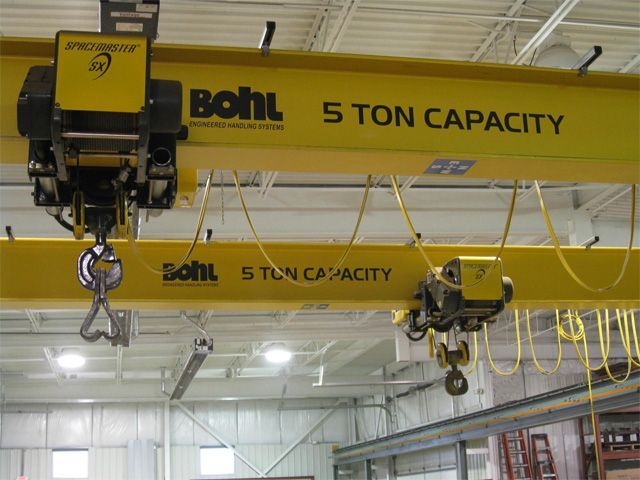
An overhead crane is an industrial lifting system used to move materials vertically and horizontally through a facility. Unlike floor-based equipment, overhead cranes use the space above production areas, helping keep valuable floor space available for equipment, workstations, storage and material staging.
Overhead crane systems can include bridge cranes, gantry cranes, jib cranes, freestanding systems and automated cranes, depending on the application.
How Overhead Cranes Boost Production Efficiency
Move Materials More Efficiently
Overhead cranes move loads along controlled paths, helping operators transport heavy or difficult materials between work areas with greater precision.
In facilities where material movement is slowing production, the right crane system can reduce unnecessary handling, improve load positioning and help keep work moving between production steps.
Make Better Use of Facility Space
Because overhead cranes operate above the production floor, they can help reduce dependence on floor-based material handling equipment and keep aisles and work areas more accessible.
This can be especially valuable in facilities where production equipment, storage, workstations and material staging compete for limited floor space.
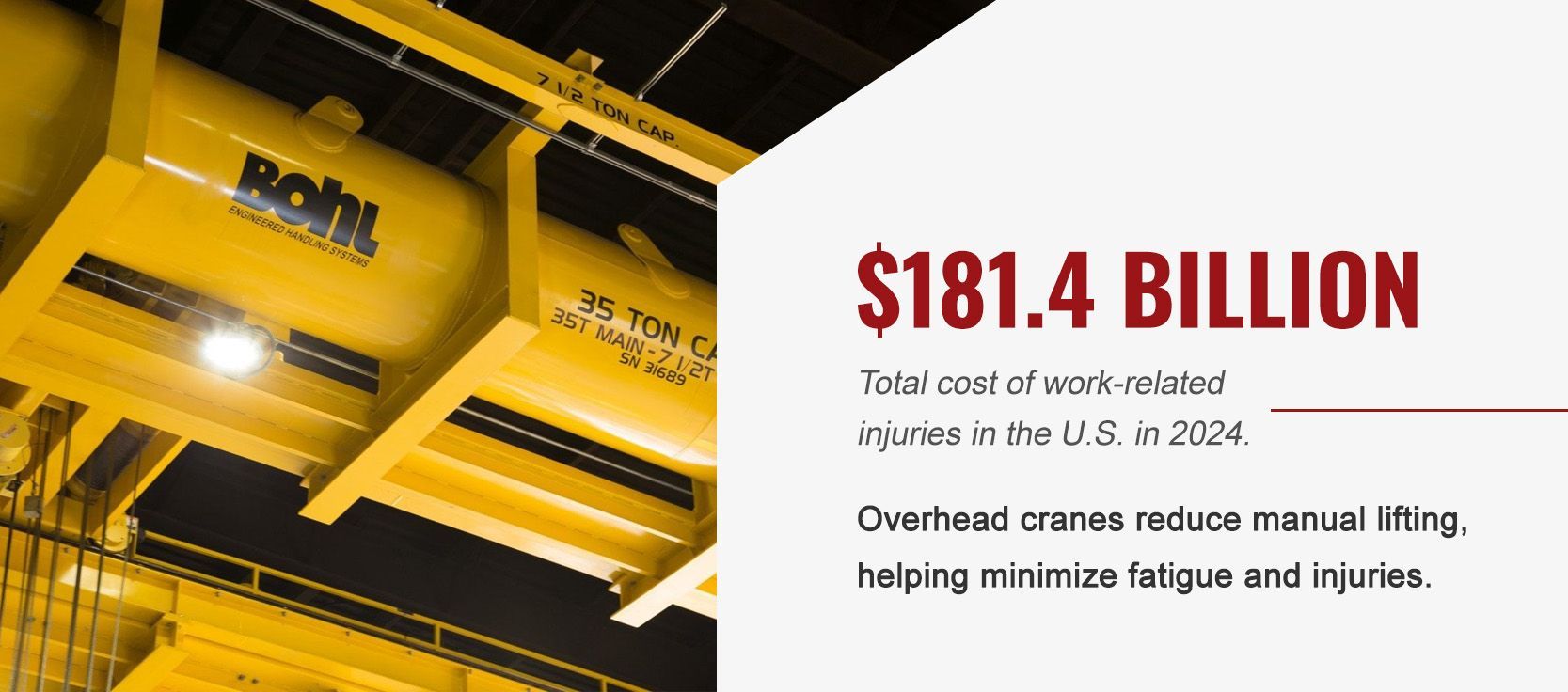
Reduce Manual Handling and Injury Risk
Overhead cranes reduce the need for workers to manually lift, push, pull or reposition heavy materials. This can help reduce physical strain and lower exposure to handling-related injuries, particularly in repetitive or high-capacity applications.
By moving loads in a controlled and predictable manner, overhead cranes can also improve operator control and reduce the need for workers to physically guide heavy materials through the production process.
Proper training, pre-lift planning and routine equipment inspections remain essential to safe crane operation. Bohl Crane offers
overhead crane training to help companies build the knowledge and skills needed to operate equipment properly.
Improve Load Control and Positioning
Overhead cranes are designed to provide controlled movement of heavy loads. When properly selected for the application, a crane can help operators position materials more accurately during manufacturing, assembly, machining and other production processes.
For specialized applications, below-the-hook lifting devices can provide additional control for loads that need to be balanced, rotated, gripped or positioned.
Integrate With Existing Production Systems
Installing an overhead crane does not necessarily mean redesigning an entire facility. Crane systems can often be designed around existing equipment, work cells and production processes.
Overhead cranes can integrate with conveyors, monorails, machinery and automated transfer systems to support a more connected material handling process.
For example, an automated crane may support repetitive, high-volume operations, while a jib crane may provide localized lifting at a specific workstation or production area.
Support Long-Term Productivity
The right overhead crane can become a long-term part of a facility's production infrastructure. By reducing unnecessary handling, improving material flow and supporting more efficient use of labor, crane systems can contribute to lower operating costs over time.
Regular inspections and preventive maintenance are also important for protecting equipment reliability and minimizing unexpected downtime. Bohl Crane provides crane service and inspections to help keep systems operating reliably.
Understanding Overhead Crane Systems and Products
Different applications require different lifting systems. Understanding the main crane types and related equipment can help narrow down the right solution for your facility.
Bridge Cranes
Bridge cranes move across parallel runways and are commonly used to transport loads across larger production areas. They are available in single- and double-girder configurations depending on capacity, span and application requirements.
Gantry Cranes
Gantry cranes are freestanding systems supported by legs rather than an overhead runway structure. They can be a practical option when a facility does not have an existing structure suitable for supporting a bridge crane.
Freestanding Crane Systems
Freestanding crane systems provide overhead lifting without relying on the building's roof structure for support. They can be configured around specific work areas, production cells or facility layouts.
Jib Cranes
Jib cranes provide localized lifting within a defined work area. They are commonly used at individual workstations, assembly areas, loading docks and other point-of-use applications.
Automated Crane Systems
Automated crane systems can support repetitive or high-volume material handling processes. Automation can reduce manual intervention and help improve consistency, throughput and positioning.
Hoists
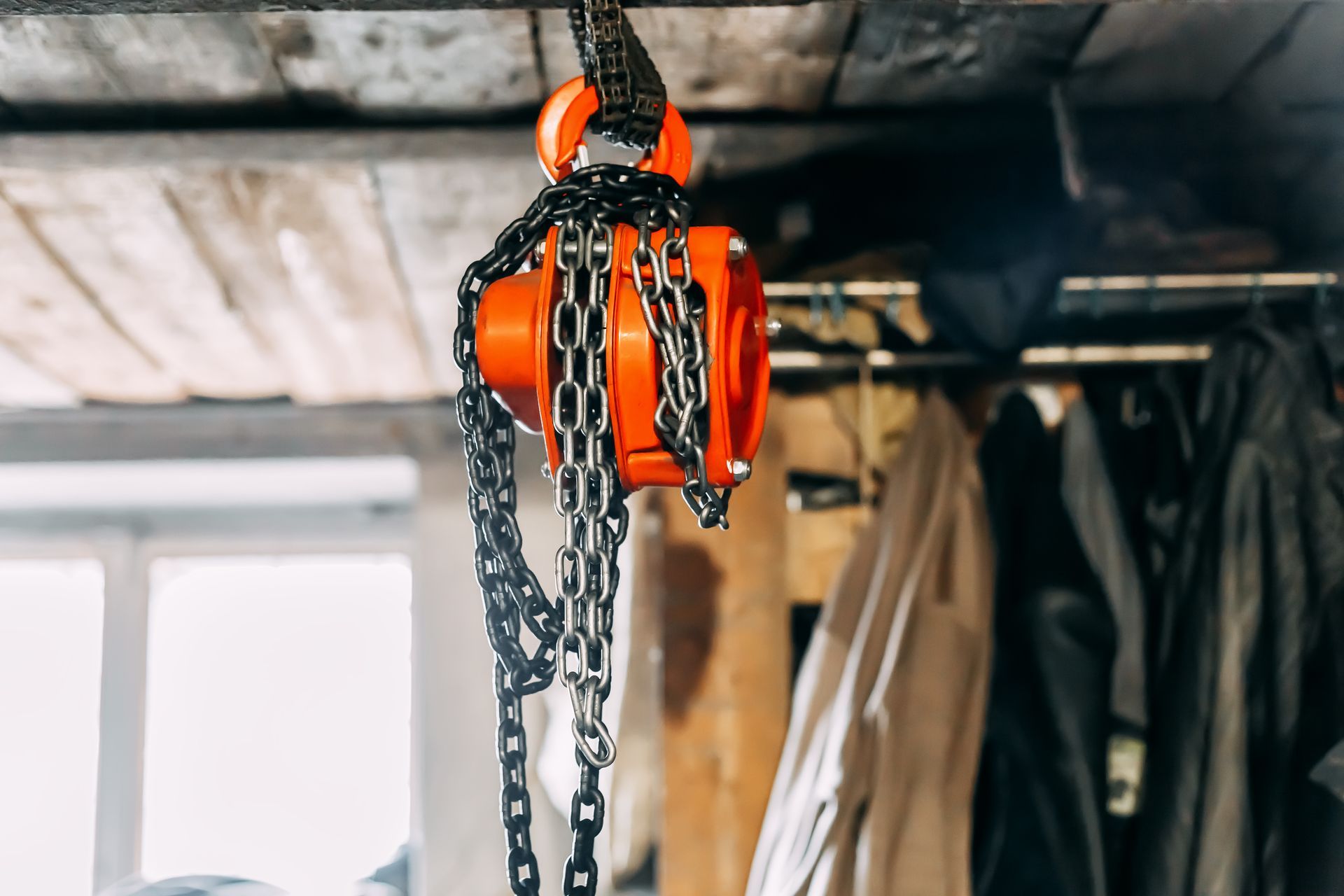
The hoist is the lifting mechanism that raises and lowers the load. Hoists can be selected based on capacity, duty cycle, lifting speed and operating environment and are typically integrated into the overall crane system.
Below-the-Hook Lifting Devices
Below-the-hook lifting devices attach to the crane or hoist and interface directly with the load. Lifting beams, spreader bars, clamps, magnets, vacuum lifters and custom devices can provide additional control for specialized handling applications.
Choosing the Right Overhead Crane for Your Facility
Improving workflow starts with selecting a crane that matches the application. Capacity, facility layout, lifting height, span, duty cycle, load characteristics and production process all influence which system is appropriate.
The best system depends on what you are moving, where it needs to go and how the crane needs to interact with the rest of your operation.
Bohl Crane works with customers to evaluate these requirements and determine whether a standard, modified or custom material handling solution is the right fit.
Improve Your Facility’s Workflow With Bohl Crane
Bohl Crane has more than 100 years of experience designing material handling solutions for industrial applications. Our team provides crane systems built around your facility, production process and lifting requirements.
From engineering and fabrication through installation, inspections, maintenance and service, Bohl Crane provides complete support throughout the life of your crane system.
Ready to improve material flow in your facility? Contact Bohl Crane to discuss your application.