Blogs
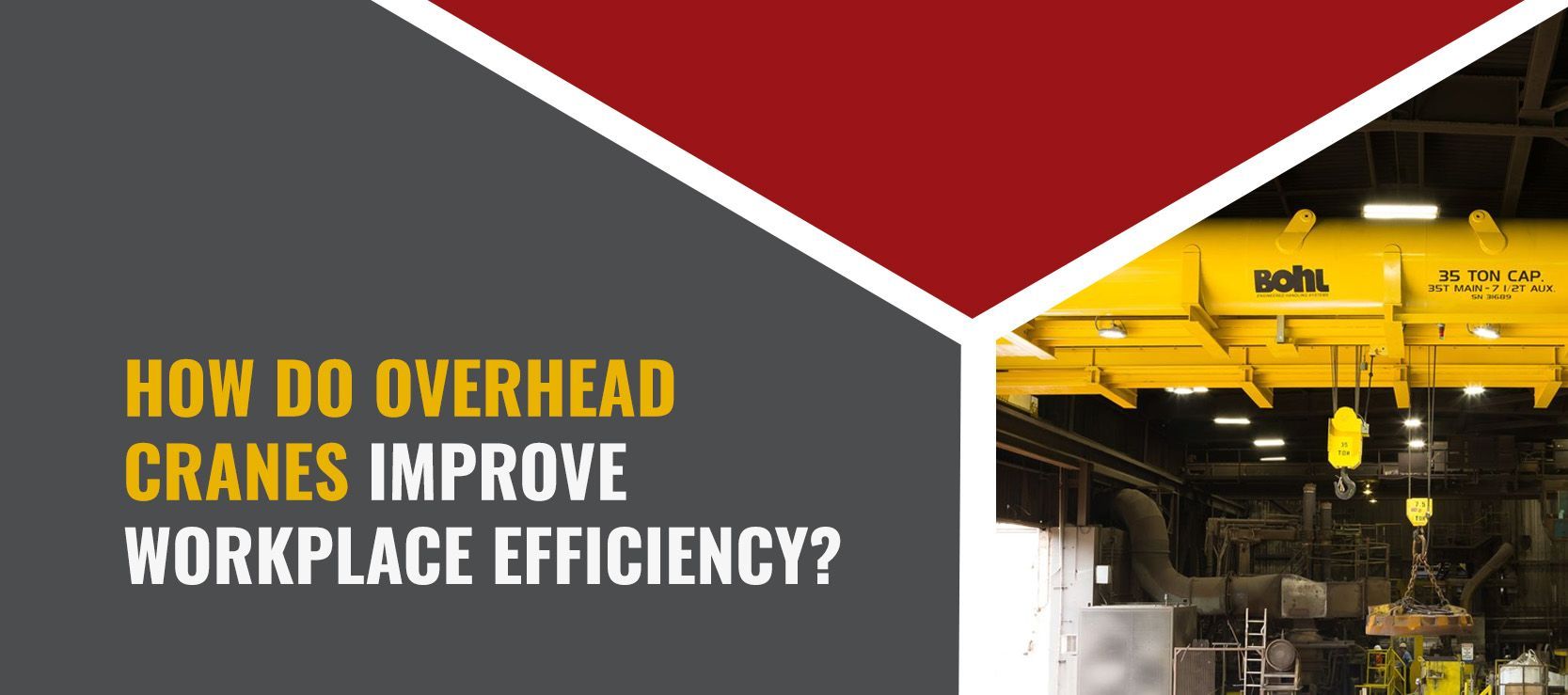
As production demands grow, inefficient material movement can create bottlenecks, increase manual handling and contribute to unnecessary downtime. The right overhead crane system can help facilities move materials more efficiently, make better use of floor space and improve control throughout the production process. Overhead cranes are used across manufacturing and industrial environments to move heavy or difficult loads safely and efficiently. The right system depends on your facility layout, load requirements, workflow and production goals. What Is an Overhead Crane? An overhead crane is an industrial lifting system used to move materials vertically and horizontally through a facility. Unlike floor-based equipment, overhead cranes use the space above production areas, helping keep valuable floor space available for equipment, workstations, storage and material staging. Overhead crane systems can include bridge cranes, gantry cranes, jib cranes, freestanding systems and automated cranes, depending on the application. How Overhead Cranes Boost Production Efficiency Move Materials More Efficiently Overhead cranes move loads along controlled paths, helping operators transport heavy or difficult materials between work areas with greater precision. In facilities where material movement is slowing production, the right crane system can reduce unnecessary handling, improve load positioning and help keep work moving between production steps. Make Better Use of Facility Space Because overhead cranes operate above the production floor, they can help reduce dependence on floor-based material handling equipment and keep aisles and work areas more accessible. This can be especially valuable in facilities where production equipment, storage, workstations and material staging compete for limited floor space. Reduce Manual Handling and Injury Risk Overhead cranes reduce the need for workers to manually lift, push, pull or reposition heavy materials. This can help reduce physical strain and lower exposure to handling-related injuries, particularly in repetitive or high-capacity applications. By moving loads in a controlled and predictable manner, overhead cranes can also improve operator control and reduce the need for workers to physically guide heavy materials through the production process. Proper training, pre-lift planning and routine equipment inspections remain essential to safe crane operation. Bohl Crane offers overhead crane training to help companies build the knowledge and skills needed to operate equipment properly.
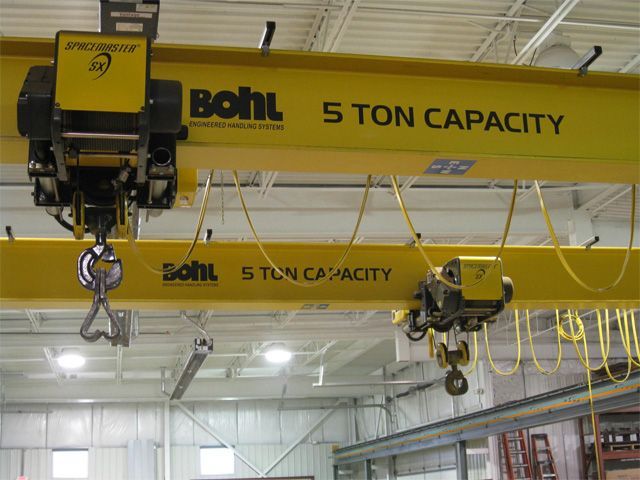
Bohl Crane announces expanded service with Otsego, Michigan location.
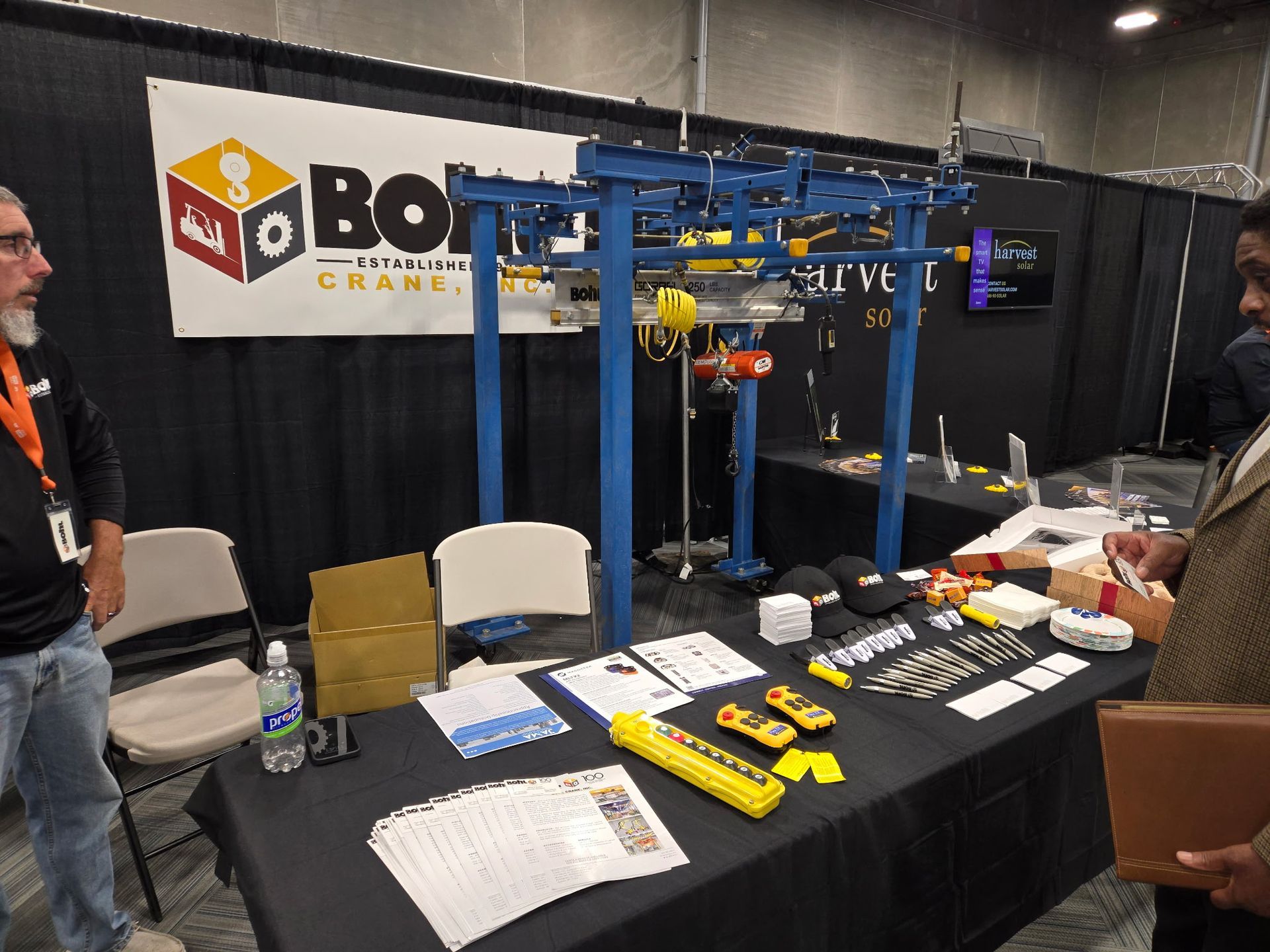
Bohl Crane at the Jackson County Manufacturing Trade Show – advancing connections and innovation
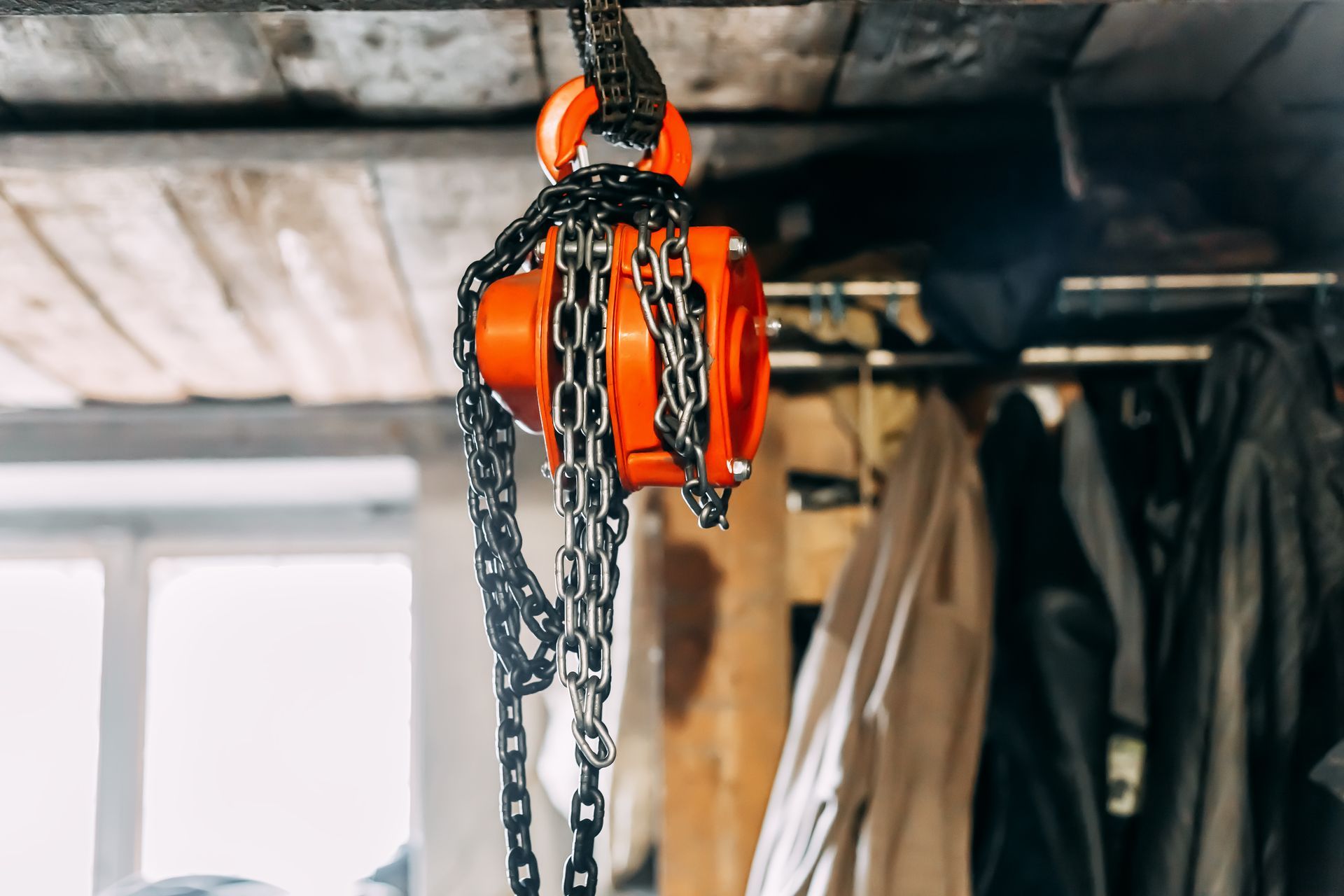
With so many options available, choosing the correct electric chain hoist for your operation can sometimes feel overwhelming. Focusing on a few key factors can simplify the decision-making process and help you select the best hoist for your specific needs.

When it comes to lifting heavy loads in industrial settings, wire rope crane hoists stand out for their impressive design features, which boost both their lifting capacity and precision. Understanding these design elements can help businesses make more informed decisions about their material handling needs.
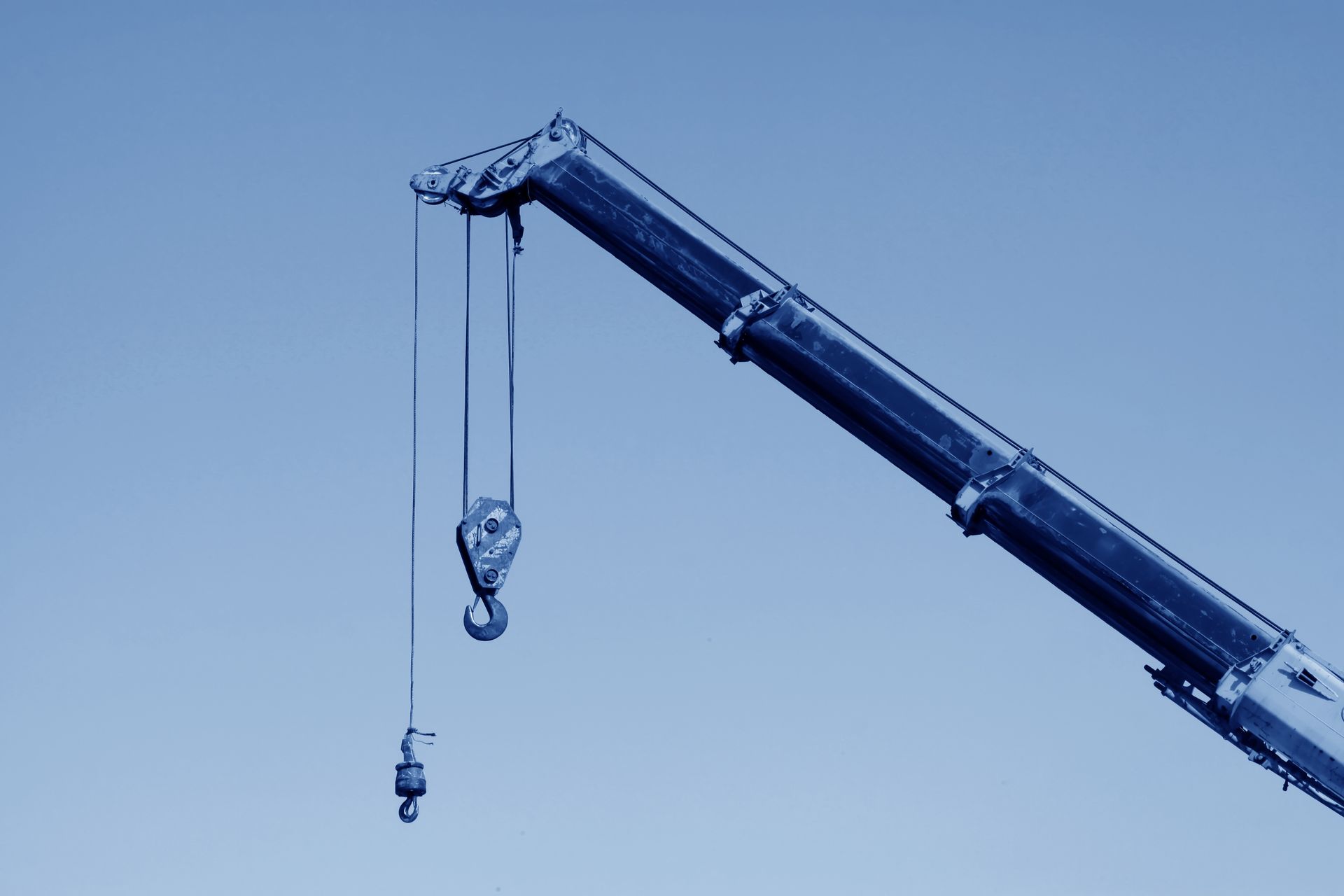
Bridge crane kits can often be a game changer when optimizing your lifting operations. They provide the flexibility to create a customized lifting system based on your specific needs, boosting both efficiency and productivity in your workspace.

Learn how to estimate and effectively manage overhead crane costs for your industrial projects. Understand the factors influencing costs, such as crane type, capacity, span, and installation requirements. Contact us for expert advice on optimizing your project costs with our range of overhead cranes.
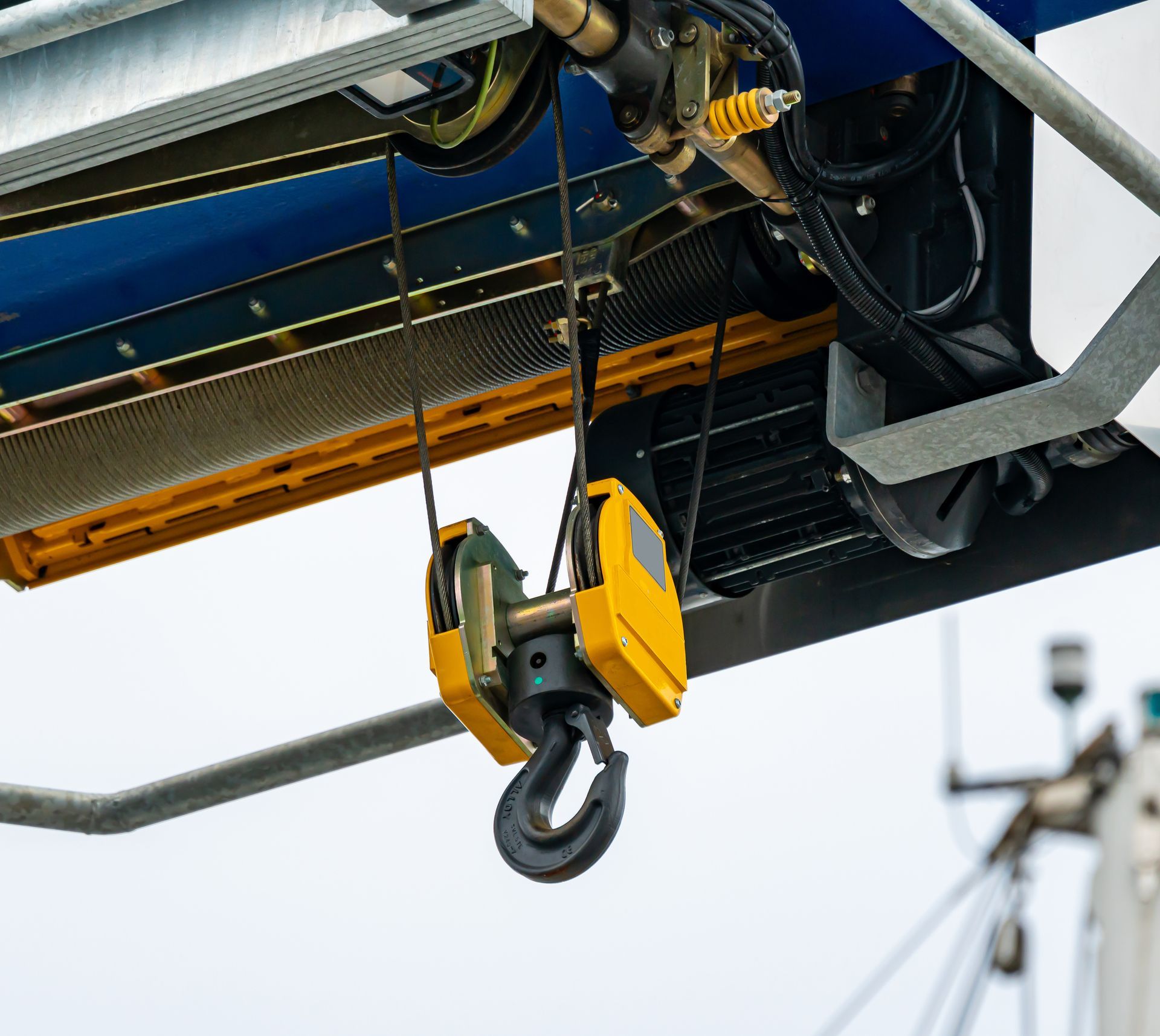
Discover why electric wire rope hoists are preferred in material handling. Learn about their precision, power, efficiency, safety features, and versatility. Contact us for more information.
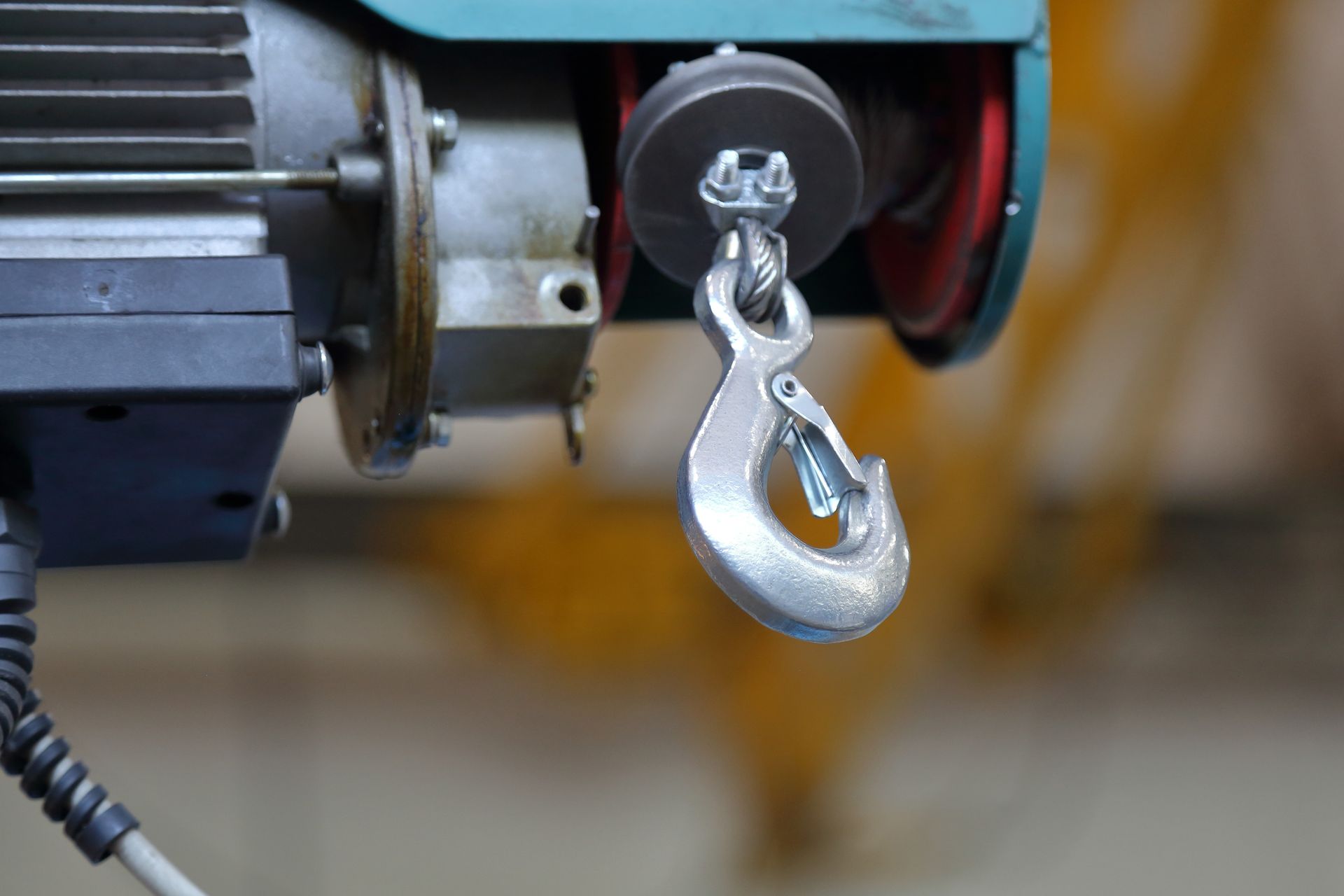
Explore the advantages and applications of wire rope crane hoists, known for their durability, strength, ease of use, and capability to lift heavy loads. Learn more about these versatile hoists and contact us for further details.