How Does the Design of a Wire Rope Crane Hoist Enhance Lifting Capacity and Precision?

Anthony Smith II • December 6, 2024

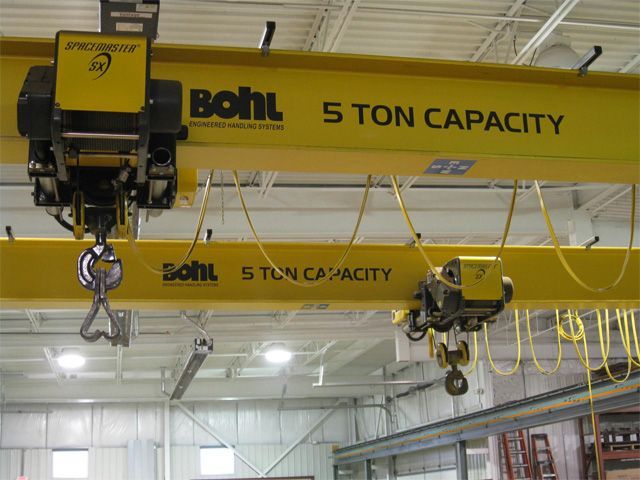
When it comes to lifting heavy loads in industrial settings, wire rope crane hoists stand out for their impressive design features, which boost both their lifting capacity and precision. Understanding these design elements can help businesses make more informed decisions about their material handling needs.


Strength in Structure


The heart of a wire rope hoist's remarkable effectiveness is its multi-strand wire rope, which is specifically designed to handle significant loads—often ranging from 1 to over 100 tons.

This robust construction allows for a higher safe working load compared to chain hoists, making wire rope hoists the perfect choice for heavy-duty applications in environments such as manufacturing and construction. The wire rope's ability to distribute weight evenly reduces stress on the hoist's other components, leading to longer service life and less frequent maintenance.


Precision in Motion


Wire rope hoists also excel in precision lifting. Their design allows for smooth operation with minimal lateral movement, which is extremely important when positioning loads accurately.

This is particularly important in applications where exact placement is crucial, such as assembly lines or complex installations. The option to use a reeving system—where the wire wraps around multiple drums—can further boost stability and control during lifts.


Efficiency and Speed


Another advantage of wire rope hoists is their ability to operate at higher speeds without sacrificing safety and control. This efficiency boosts productivity and ensures that operations run smoothly without unnecessary downtime.

Bohl's product range currently includes specialized cranes, forklifts, monorails, and engineered lifting devices that can move almost any product manually or automatically. The firm also offers custom lifting devices and equipment and a wide range of machining, fabricating, and engineering services. For more information, please visit Bohlco.com.
September 29, 2026
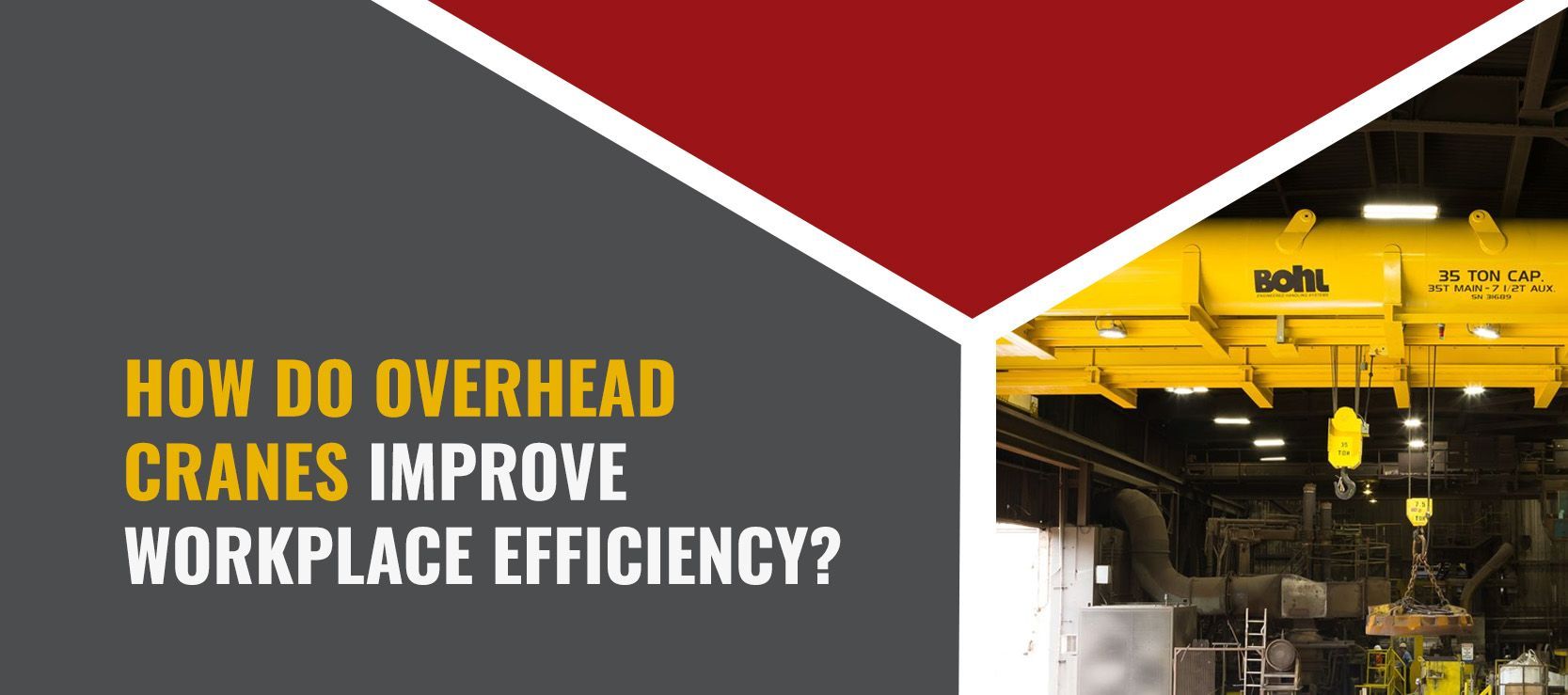
As production demands grow, inefficient material movement can create bottlenecks, increase manual handling and contribute to unnecessary downtime. The right overhead crane system can help facilities move materials more efficiently, make better use of floor space and improve control throughout the production process. Overhead cranes are used across manufacturing and industrial environments to move heavy or difficult loads safely and efficiently. The right system depends on your facility layout, load requirements, workflow and production goals. What Is an Overhead Crane? An overhead crane is an industrial lifting system used to move materials vertically and horizontally through a facility. Unlike floor-based equipment, overhead cranes use the space above production areas, helping keep valuable floor space available for equipment, workstations, storage and material staging. Overhead crane systems can include bridge cranes, gantry cranes, jib cranes, freestanding systems and automated cranes, depending on the application. How Overhead Cranes Boost Production Efficiency Move Materials More Efficiently Overhead cranes move loads along controlled paths, helping operators transport heavy or difficult materials between work areas with greater precision. In facilities where material movement is slowing production, the right crane system can reduce unnecessary handling, improve load positioning and help keep work moving between production steps. Make Better Use of Facility Space Because overhead cranes operate above the production floor, they can help reduce dependence on floor-based material handling equipment and keep aisles and work areas more accessible. This can be especially valuable in facilities where production equipment, storage, workstations and material staging compete for limited floor space. Reduce Manual Handling and Injury Risk Overhead cranes reduce the need for workers to manually lift, push, pull or reposition heavy materials. This can help reduce physical strain and lower exposure to handling-related injuries, particularly in repetitive or high-capacity applications. By moving loads in a controlled and predictable manner, overhead cranes can also improve operator control and reduce the need for workers to physically guide heavy materials through the production process. Proper training, pre-lift planning and routine equipment inspections remain essential to safe crane operation. Bohl Crane offers overhead crane training to help companies build the knowledge and skills needed to operate equipment properly.
Bohl Crane announces expanded service with Otsego, Michigan location.
By Julie Rosnick • December 11, 2025
Bohl Crane announces expanded service with Otsego, Michigan location.
By Julie Rosnick • October 2, 2025
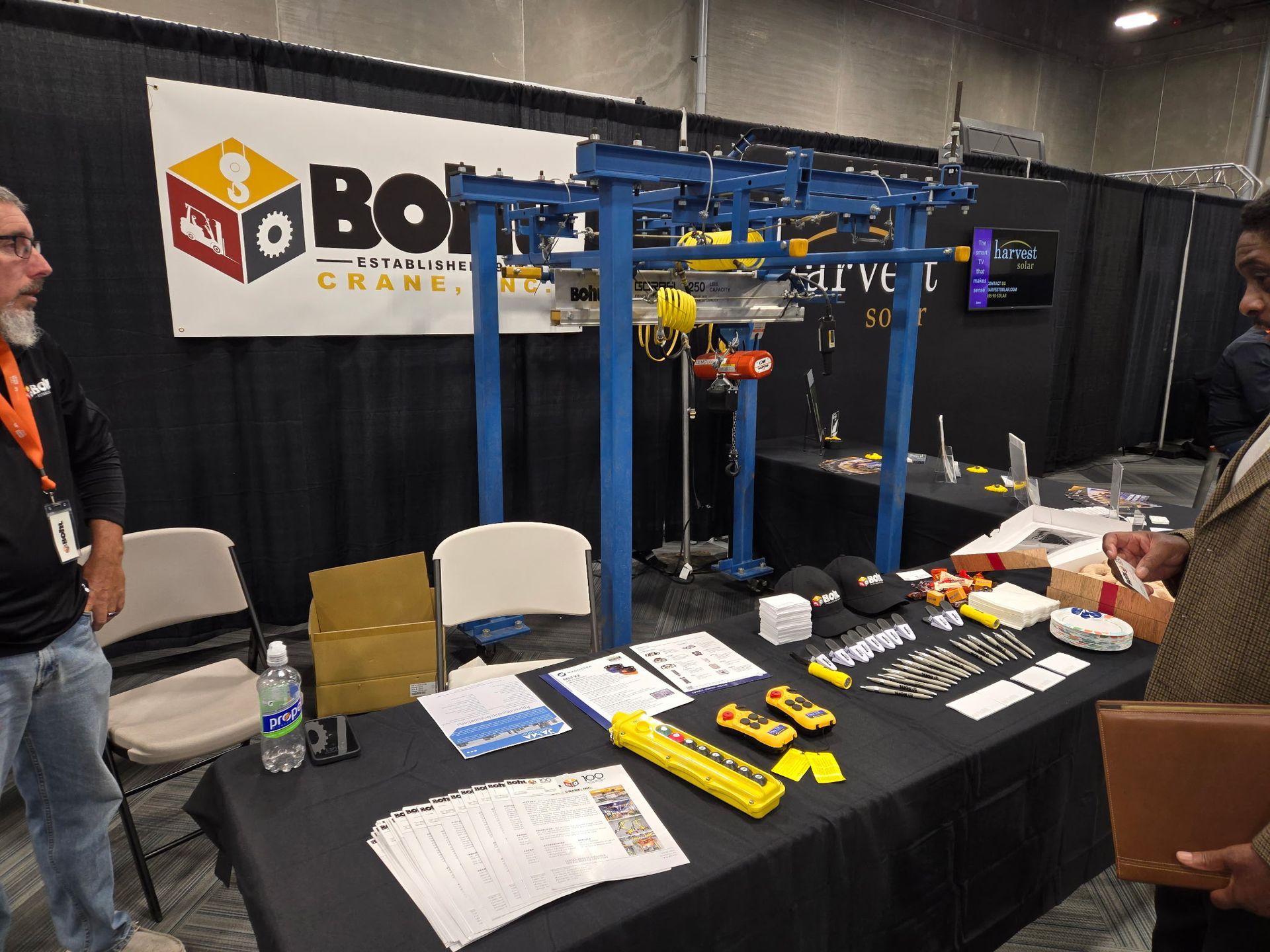
Bohl Crane at the Jackson County Manufacturing Trade Show – advancing connections and innovation