What Are the Essential Components of Wire Rope Parts?

Anthony Smith II • April 19, 2024

There are specific components of wire rope parts that help to enable their strength and functionality. Learn what these essential components are below.

Wires


The wires form the individual strands of the wire rope itself. These wires are usually made from such materials as stainless steel, steel, iron, bronze, or monel. The type of material that is often used to make these wires is high-carbon steel, as this provides some of the greatest strength.

Manufacturers of these wires will select the type of wire based upon the requirements of the finished product. Grades of this wire rope include extra improved plow steel (EIP) and double extra improved plow steel (EEIP). The strength of the wire depends upon its diameter, with the strongest wires being those that are the smallest wires.

Steel wire often comes in three types of finishes:

Bright: Uncoated wires.
Galvanized: Wires coated with zinc.
Tin: These wires are used in specific applications.

Strands

Strands are made of multiple wires that are laid helically around a core. The geometric arrangement of wires within a strand can vary. Strands can be made of any number of wires, and a rope can have a number of strands. Some strands even combine steel wires with natural or synthetic fibers.

Core

The core provides support for the strands under loading and bending conditions, serving as the foundation of the wire rope. The materials of the core include the following:

Fiber core: Made of synthetic or hard vegetable fibers.
Independent wire rope core (IWRC): A separate wire rope strand.
Wire strand core (WDC): Additional wire strands.

Contact us to learn more about our wire ropes and other items in our inventory.
September 29, 2026
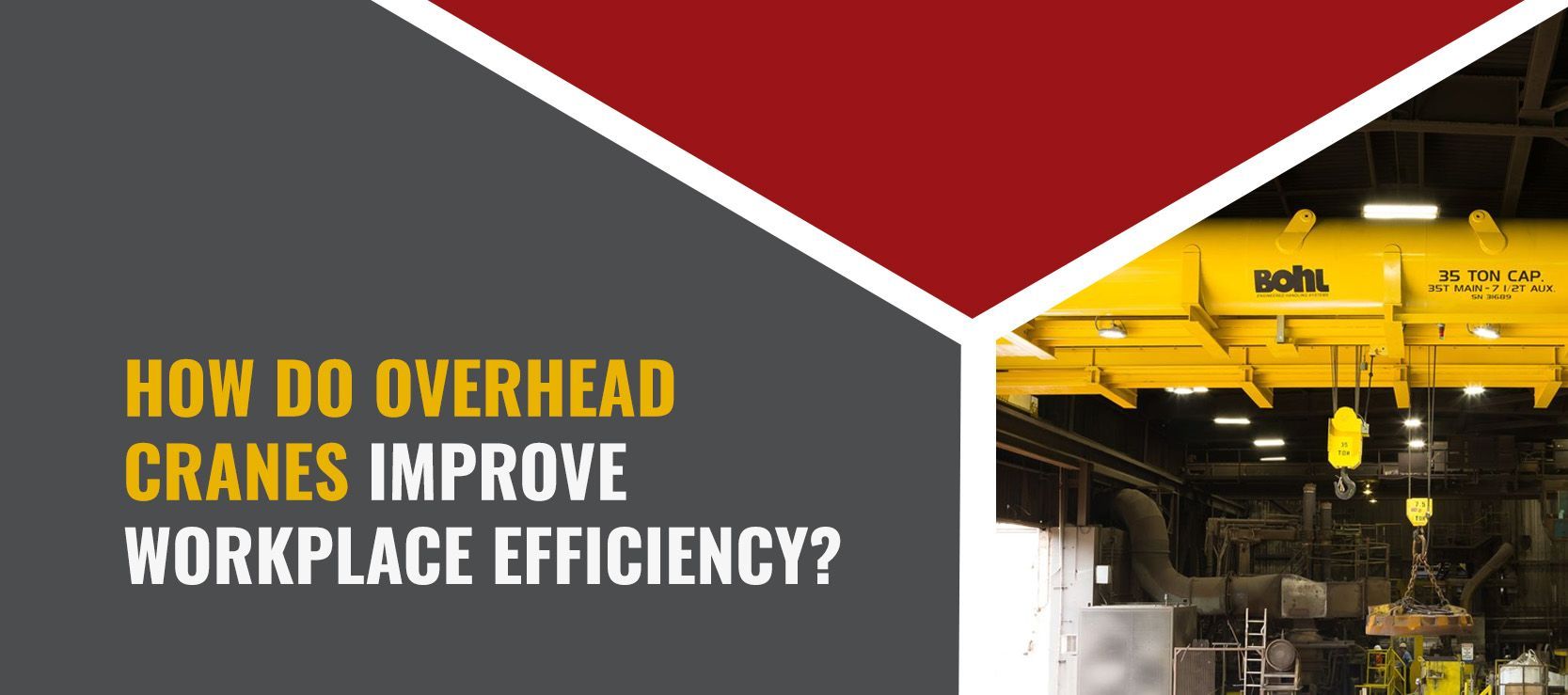
As production demands grow, inefficient material movement can create bottlenecks, increase manual handling and contribute to unnecessary downtime. The right overhead crane system can help facilities move materials more efficiently, make better use of floor space and improve control throughout the production process. Overhead cranes are used across manufacturing and industrial environments to move heavy or difficult loads safely and efficiently. The right system depends on your facility layout, load requirements, workflow and production goals. What Is an Overhead Crane? An overhead crane is an industrial lifting system used to move materials vertically and horizontally through a facility. Unlike floor-based equipment, overhead cranes use the space above production areas, helping keep valuable floor space available for equipment, workstations, storage and material staging. Overhead crane systems can include bridge cranes, gantry cranes, jib cranes, freestanding systems and automated cranes, depending on the application. How Overhead Cranes Boost Production Efficiency Move Materials More Efficiently Overhead cranes move loads along controlled paths, helping operators transport heavy or difficult materials between work areas with greater precision. In facilities where material movement is slowing production, the right crane system can reduce unnecessary handling, improve load positioning and help keep work moving between production steps. Make Better Use of Facility Space Because overhead cranes operate above the production floor, they can help reduce dependence on floor-based material handling equipment and keep aisles and work areas more accessible. This can be especially valuable in facilities where production equipment, storage, workstations and material staging compete for limited floor space. Reduce Manual Handling and Injury Risk Overhead cranes reduce the need for workers to manually lift, push, pull or reposition heavy materials. This can help reduce physical strain and lower exposure to handling-related injuries, particularly in repetitive or high-capacity applications. By moving loads in a controlled and predictable manner, overhead cranes can also improve operator control and reduce the need for workers to physically guide heavy materials through the production process. Proper training, pre-lift planning and routine equipment inspections remain essential to safe crane operation. Bohl Crane offers overhead crane training to help companies build the knowledge and skills needed to operate equipment properly.
Bohl Crane announces expanded service with Otsego, Michigan location.
By Julie Rosnick • December 11, 2025
Bohl Crane announces expanded service with Otsego, Michigan location.
By Julie Rosnick • October 2, 2025
Bohl Crane at the Jackson County Manufacturing Trade Show – advancing connections and innovation